


Full Body Red Light Therapy Panel · 5 Wavelengths
XT1500
Full body coverage — five wavelengths studied for recovery, skin/collagen, sleep, muscle/joints and energy. Our highest-powered panel - 163 mW/cm² Irradiance @ 6"
Dual Chip LED
Variant
| Spec | XT900 | XT1500 |
|---|---|---|
| Coverage | Targeted Zones | Full Body |
| Panel Width | 9.1" | 11.8" |
| Irradiance at 6” | >105 mW/cm² (solar meter) |
>163 mW/cm² (solar meter) · 69 mW/cm² (spectroradiometer) |
| LED Count | 180 LEDs | 308 LEDs |
| Output Power | 270W | 485W Measured |
| Weight | 22.3 lbs | 27.1 lbs |
| Price | $499 | $799 |
Price returns to $1,150.00 in
Complete Your Setup
-
 Free gift
Celvana Floor Stand
-
Roll between rooms in seconds
-
Locking casters for stable sessions
$150 Free -

Free shipping from Nevada · Delivered in 2–5 days
Couldn't load pickup availability


Description
Description
Full-body red and near-infrared light, engineered for daily use.
- Five LED wavelengths — 630, 660, 810, 830, 850nm
- Independent circuit control — run red, near-infrared, or both
- 308 dual-chip LEDs (616 total emitters) for concentrated output
- Negligible EMF at treatment distances
- Flicker-free operation
- Class II Medical Device — manufactured in an FDA-registered facility
Independently irradiance-tested by LightLab International. View the full report
What’s Included
What’s Included
- Celvana panel (5 wavelengths, independent circuit control)
- Wheeled floor stand (FREE valued $150)
- Mounting kit (door hook, hanging rope, adjustable halyard pulley)
- Side foot pads (×4) with screws
- Remote control (23A 12V battery not included)
- Power cord (US)
- Protective eyewear glasses
- Quick-start guide + QR link to full manual
Free US Shipping
Free US Shipping
Free US shipping to the contiguous US. Ships from our Nevada warehouse in 1–2 business days via FedEx, signature required. Most orders arrive in 3–5 business days with full tracking.
3-Year Warranty
3-Year Warranty
3-year warranty against manufacturing defects. Defective panels are repaired or replaced at no cost.
Inbound shipping covered by customer. Return shipping covered by Celvana.
Covers normal household use. Excludes drops, liquid damage, and commercial use.
90-Day Home Trial & Returns
90-Day Home Trial & Returns
Try the product at home for 90 days. If it's not right, return it for a full refund — no questions, no restocking fees.
Return shipping covered by customer. Refunds processed within 5 business days of arrival.


XT1500
$1,150.00 $799.00
90 Day In Home Trial
Real Owners, Real Routines
Testimonials featured in videos or other promotional materials may include individuals who have received compensation, free product, or other incentives.
Biological Optimization


Skin Rejuvenation
Used in studies examining skin health and collagen response through 660nm deep red wavelengths, revitalizing the skin's surface architecture.


Muscle Recovery
850nm near-infrared light penetrates deep tissue — studied for post-exercise recovery.


Optimized Sleep
Red and near-infrared wavelengths have been studied for their role in circadian rhythm regulation and the body's natural production of melatonin.


Joint & Muscle Wellness
Photobiomodulation has been studied for its effects on local circulation and the body's inflammatory response, particularly in muscle and joint tissue.


Collagen & Skin Repair
Red and near-infrared light has been studied for its effects on fibroblast activity and collagen production — both central to the skin's natural renewal process.

Cellular Energy (ATP Production)
Red light therapy stimulates mitochondria, boosting ATP for enhanced cellular function and overall vitality.
Technical Specifications
-
Irradiance at 6”
>163 mW/cm² (solar meter)
· 69 mW/cm² (spectroradiometer) -
Wavelengths
630/660/810/830/850nm
-
Circuit Control
Independent red, NIR, or both
-
LED Chip Type
Dual Chip LED
-
LED Count
308 dual-chip (616 emitters)
-
Flicker
Flicker-free, factory tested
-
Output Power
485W Measured
-
Beam Angle
30 Degrees
-
EMF Emission
Negligible at treatment distance
-
Dimensions
38.4" × 11.8" × 3.7"
-
Weight
27.1 lbs
-
Input Voltage
AC 100-250V
-
Noise
58 dB at 1m during operation
-
Warranty
3 years
- Independently lab-tested ✓ LightLab report
-
Irradiance at 6”
>105 mW/cm² (solar meter)
-
Wavelengths
630/660/810/830/850nm
-
Circuit Control
Independent red, NIR, or both
-
LED Chip Type
Dual Chip LED
-
LED Count
180 dual-chip (360 emitters)
-
Flicker
Flicker-free, factory tested
-
Output Power
270W
-
Beam Angle
30 Degrees
-
EMF Emission
Negligible at treatment distance
-
Dimensions
38.4" × 9.1" × 3.7"
-
Weight
22.3 lbs
-
Input Voltage
AC 100-250V
-
Noise
58 dB at 1m during operation
-
Warranty
3 years
-
Independently lab-tested
In progress
Why Celvana?
Amazon Panel

Premium Panels
Price
$299-$485
$499-$799
$1,200-$3,000
Irradiance Data
Rarely published
Public @ 6"
Manufacturer Claimed
Certifications
None / Unverified
FDA-Reg. Facility, FCC, RoHS
Unverified
Flicker
Often present
Flicker-free
Varies
Warranty
0-6 months
3 Years
1-3 Years
Returns
Complex / No Return
90-Day In-Home Trial
Complex
HSA/FSA
No
Yes with Flex
Some
Support
None
✓Yes - US Phone + Email
Limited

- 90-day trial, full refund if it's not right
- Try it with real daily use, not just unboxing
- 3-year warranty on every panel
Built for Daily Use
Ball bearing cooling fans, rated for 100,000 hours — engineered to outlast the LEDs themselves. They run at 58 dB measured at 1 meter, quiet enough to use alongside music, a podcast, or a meditation session.

Photobiomodulation has been studied for over four decades.
More than 700 randomized controlled trials and over 4,000 peer-reviewed articles have investigated photobiomodulation — the process by which specific wavelengths of red and near-infrared light interact with cellular mitochondria. Celvana panels deliver the 630, 660, 810, 830 and 850nm wavelengths most prominent in that research.

"Photobiomodulation has been studied for its potential to support recovery following traumatic brain injury, with an expanding body of both animal and human research."

"Current evidence suggests that red light therapy can support and stimulate collagen production, making it a valuable adjunct in skin rejuvenation and post-procedure recovery."

"Photobiomodulation has been studied for its effects on muscular endurance and resistance exercise performance, with research examining both LED and laser-based red and near-infrared light."
Good,! working well for me for my skin and scar treatment
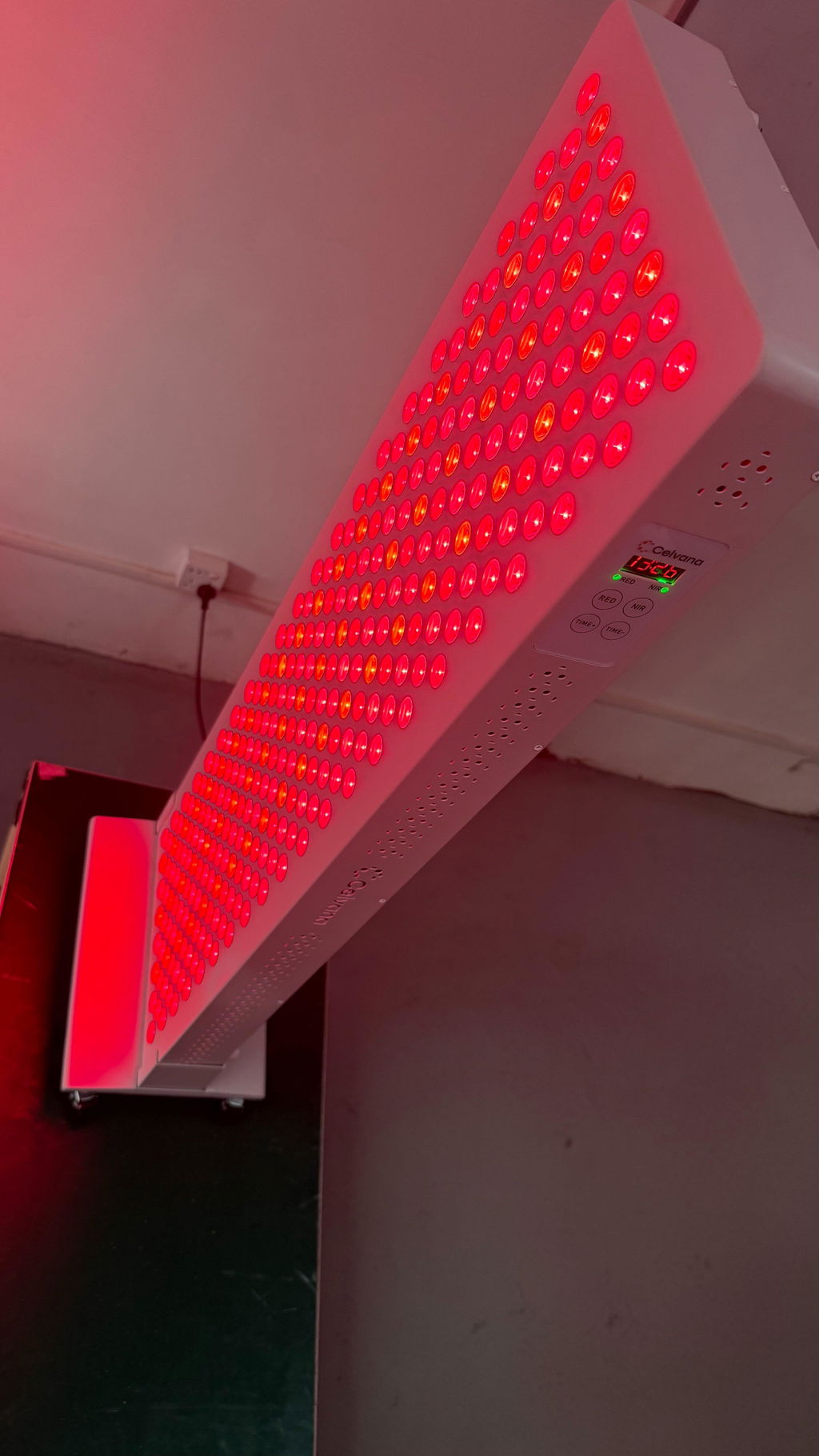
Great panel i've been using it in my daily routine and am sleeping better!
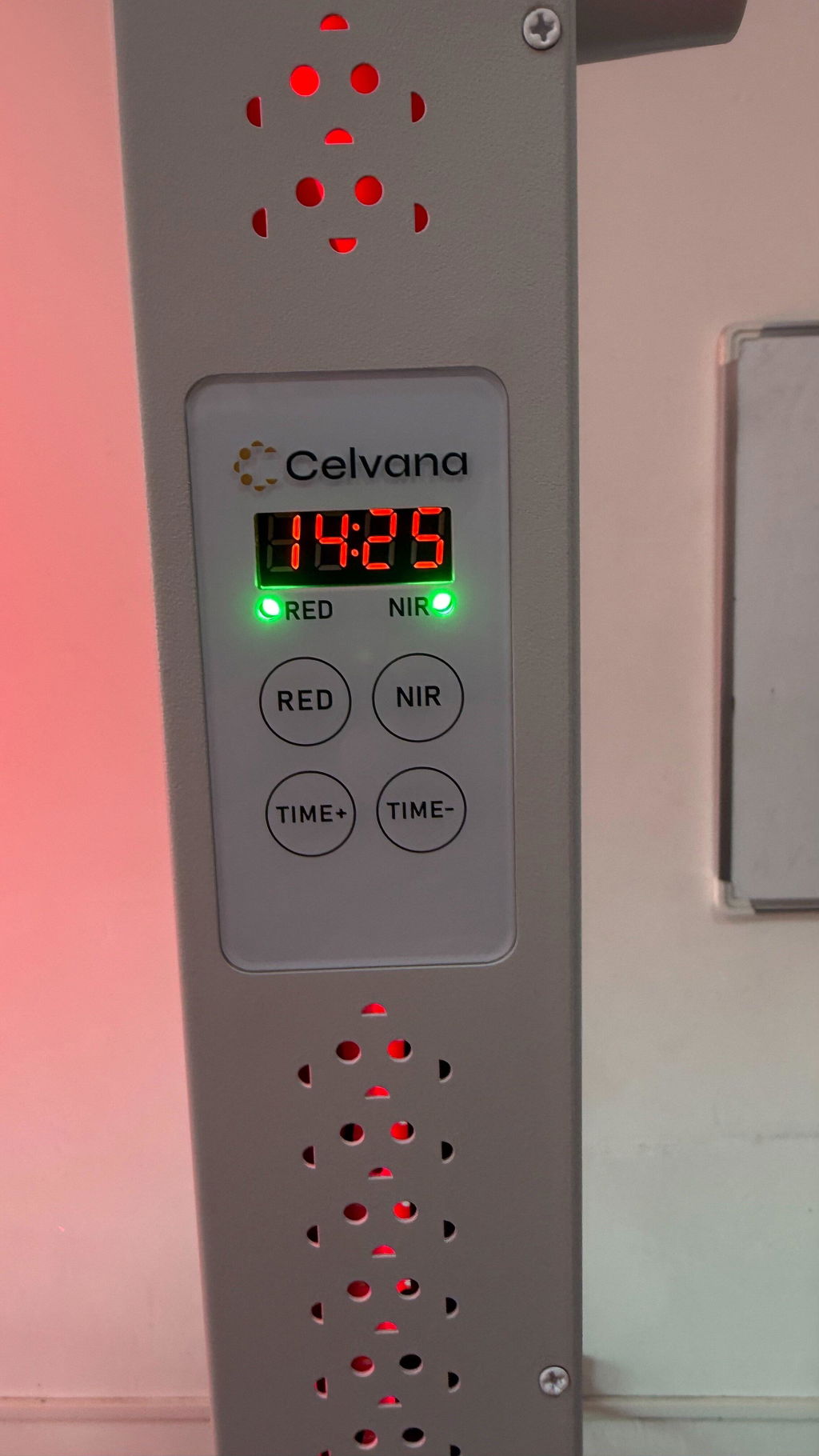
Decided to try the XT900 to increase my skin vibrance and tightness and did not know what to expect.. WOW within a few weeks the difference is remarkable and I am consistently using the panel daily now!
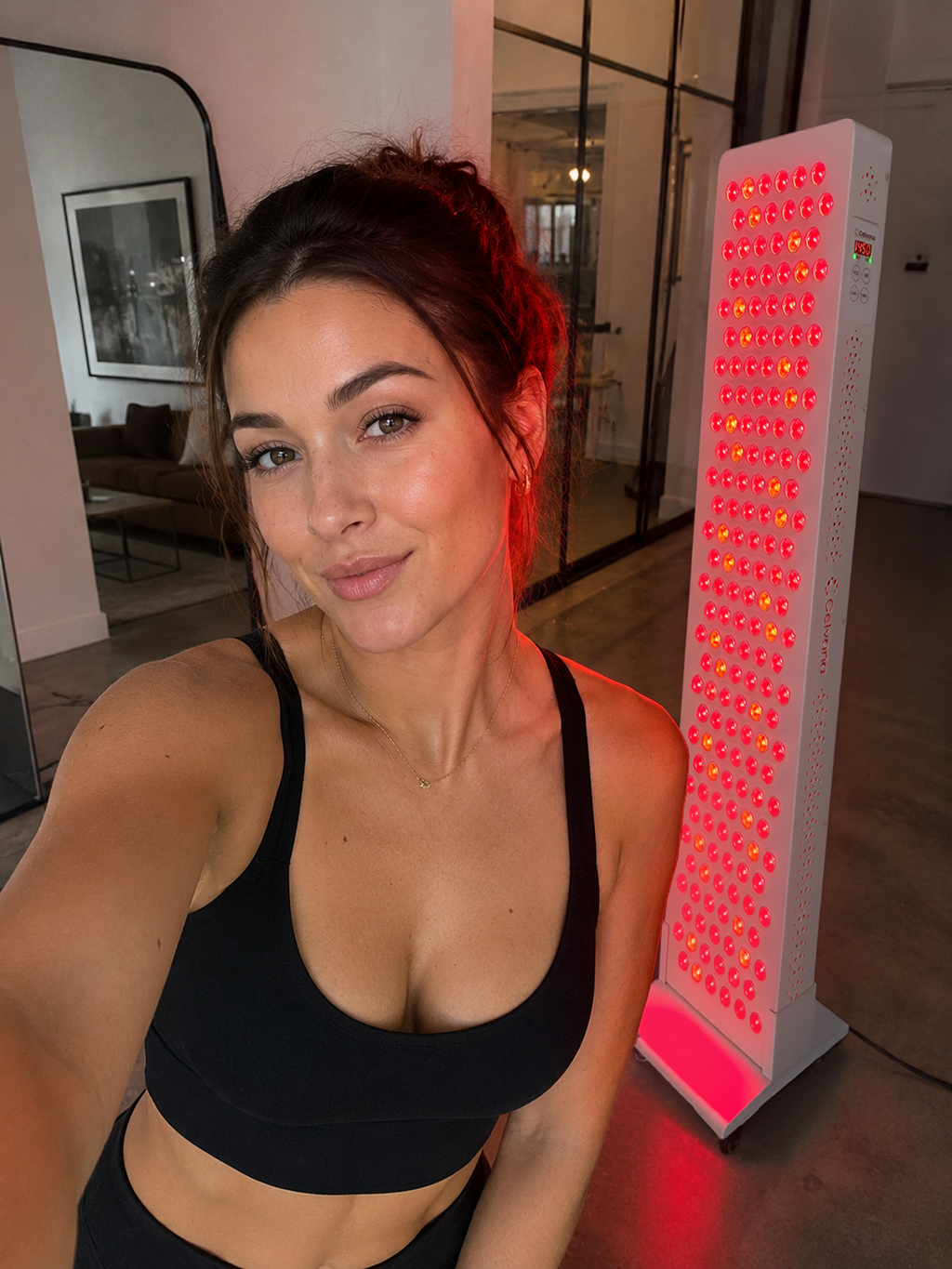
I've been using the CLV-XT1500 after walking my best friend daily and getting him to sleep near the panel. He struggles with arthritis and it seems to help him be more active and want to go for more daily walks! Great so far
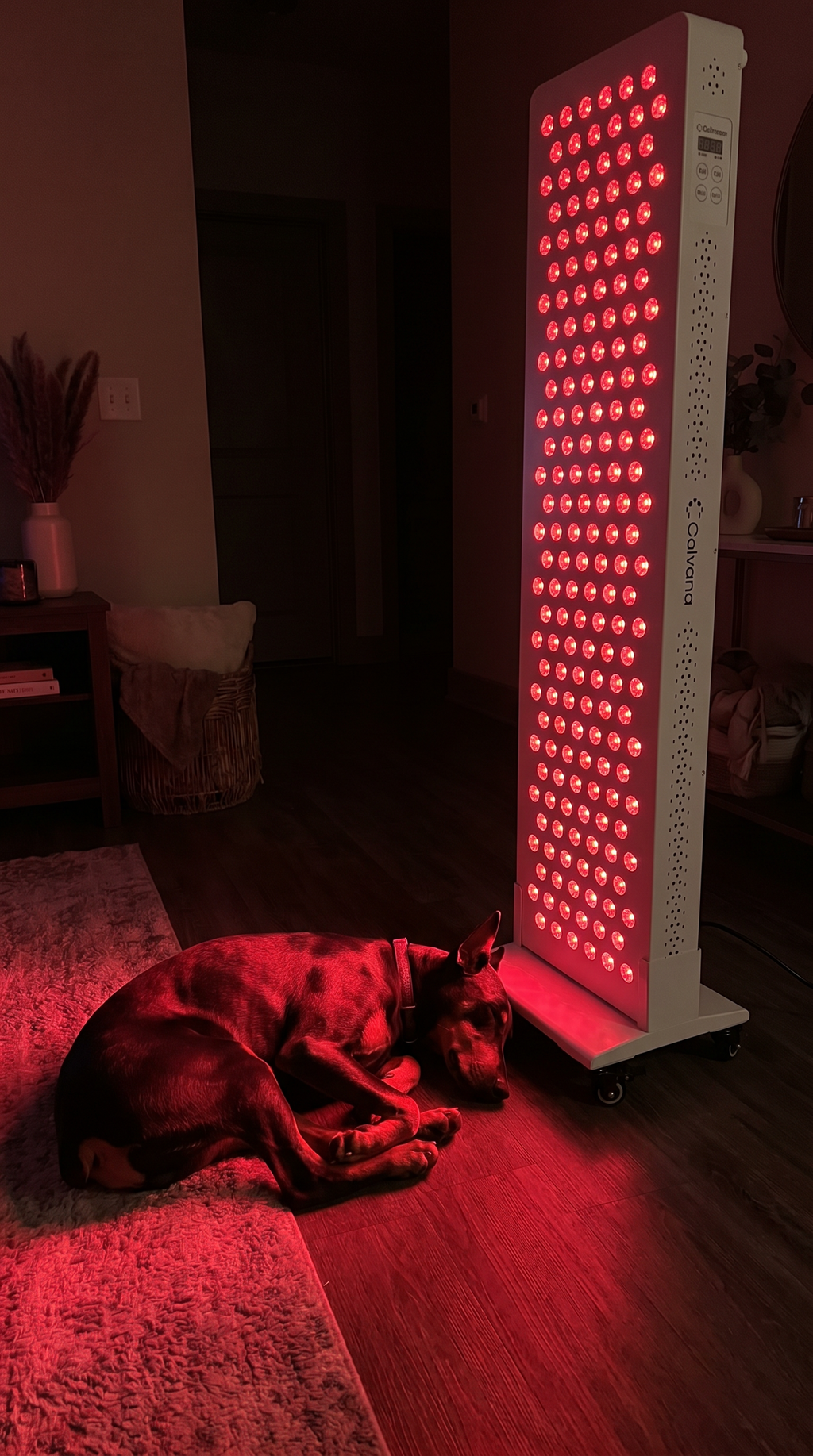
The CLV-XT1500 is expensive but you're paying for real power, my husband is also trying it for his knee pain. I've tried cheaper panels before and there's no comparison. This is the real deal.
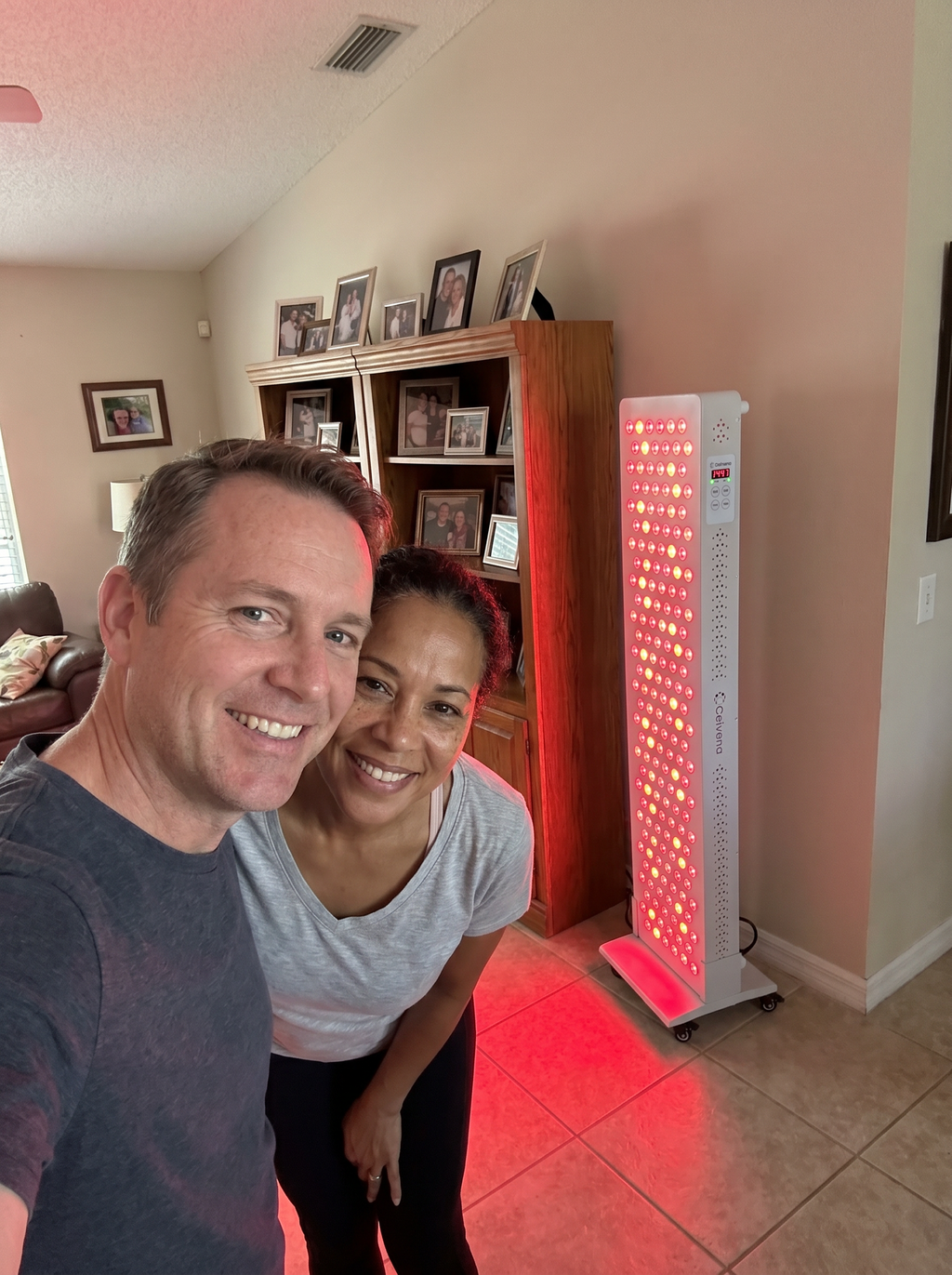
I have rosacea and was skeptical. My derm mentioned PBM as a potential option and after researching I went with the CLV-XT1500. After two months my skin is noticeably calmer. I almost cried when I looked in the mirror last week. So grateful.
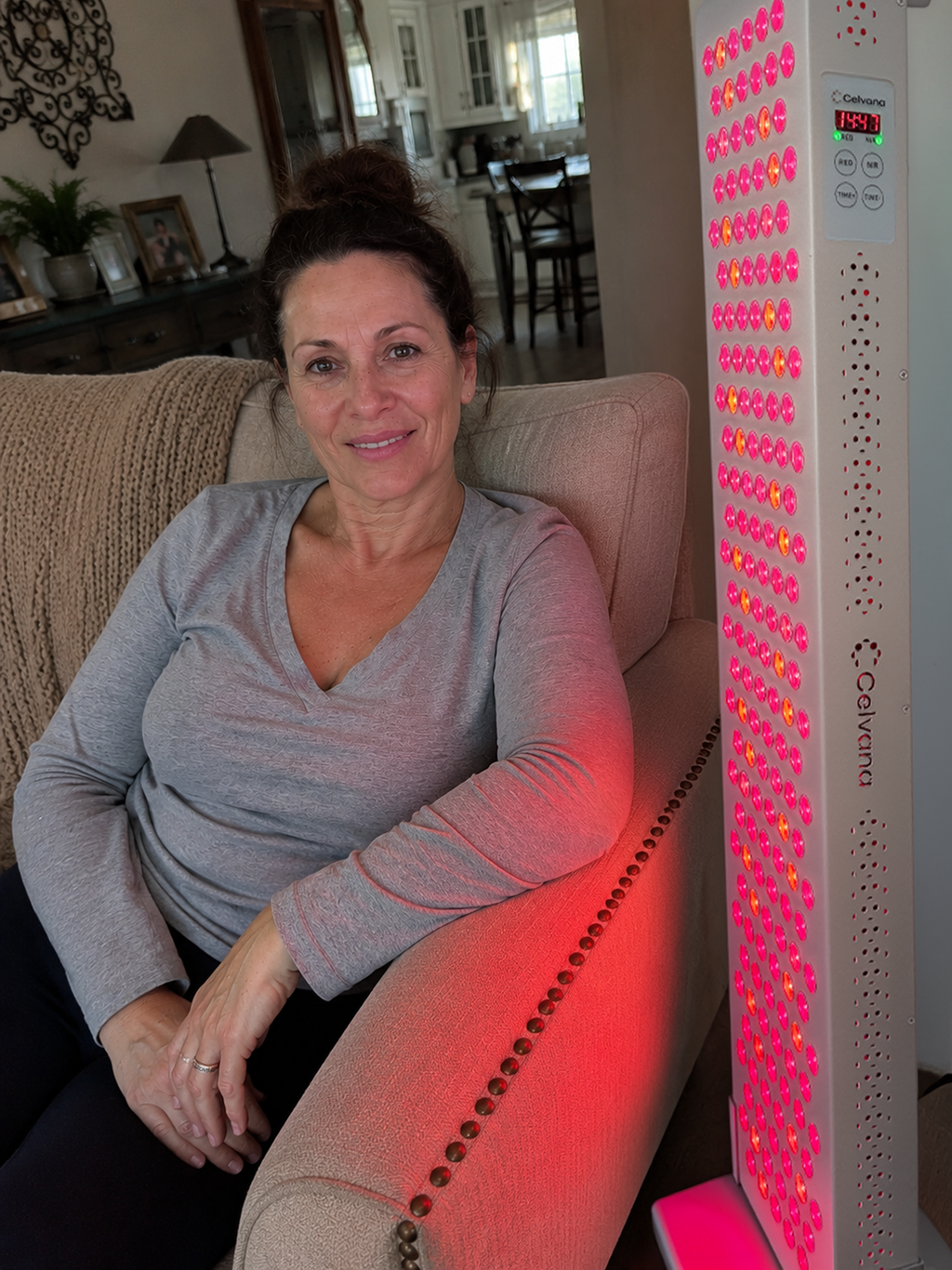
I purchased the XT900 primarily for skin rejuvenation after seeing results from a friend. Three months in, the improvement in collagen firmness and skin tone clarity is visible in photos side by side. At 22 lbs it's solid but absolutely worth the real estate in my home!!
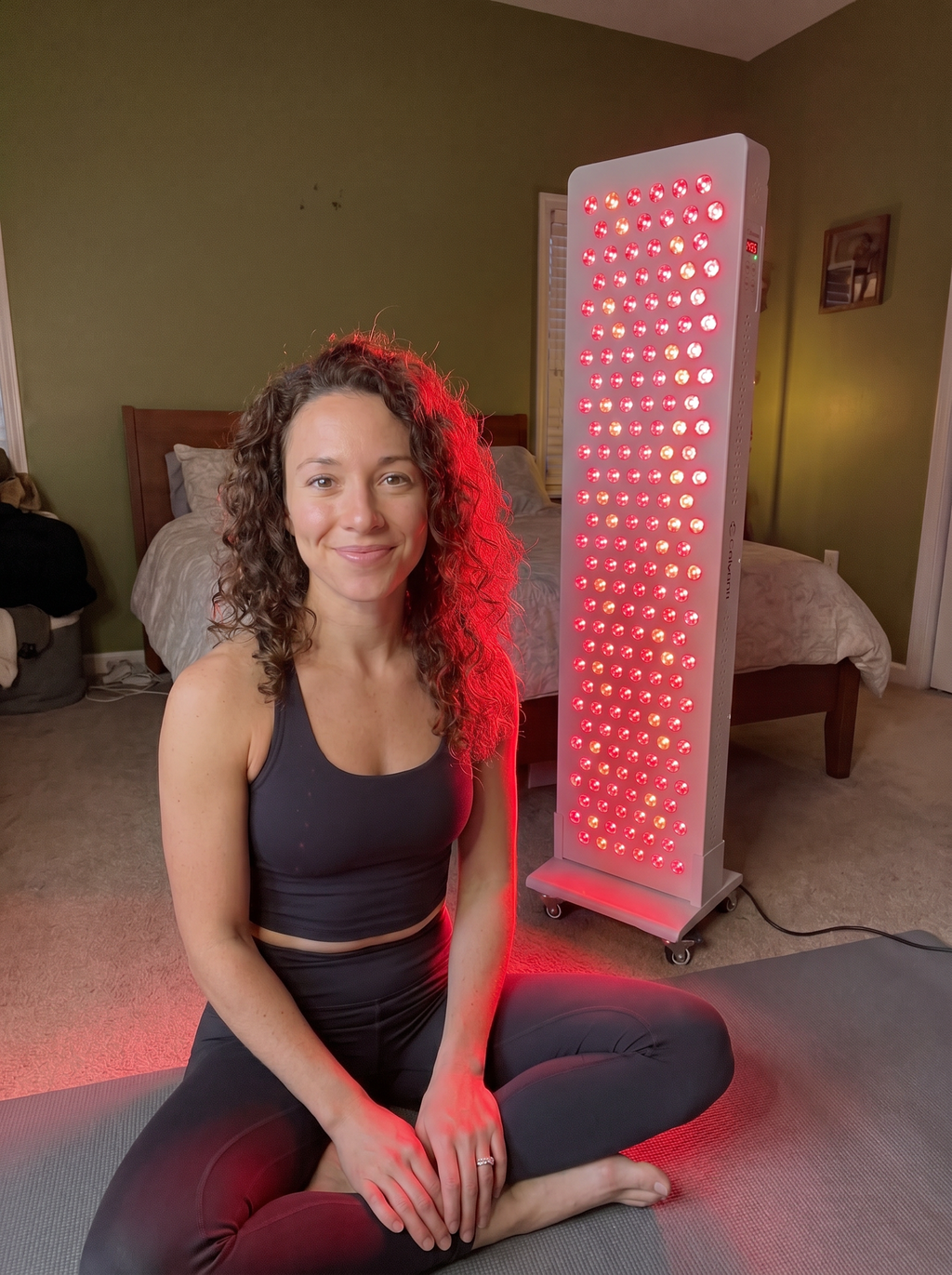
I compared every panel in this price range before pulling the trigger. The 616 dual-chip emitters and 163+ irradiance are the real deal and not marketing fluff. My sleep quality and joint recovery after long runs have noticeably improved within the first two months.
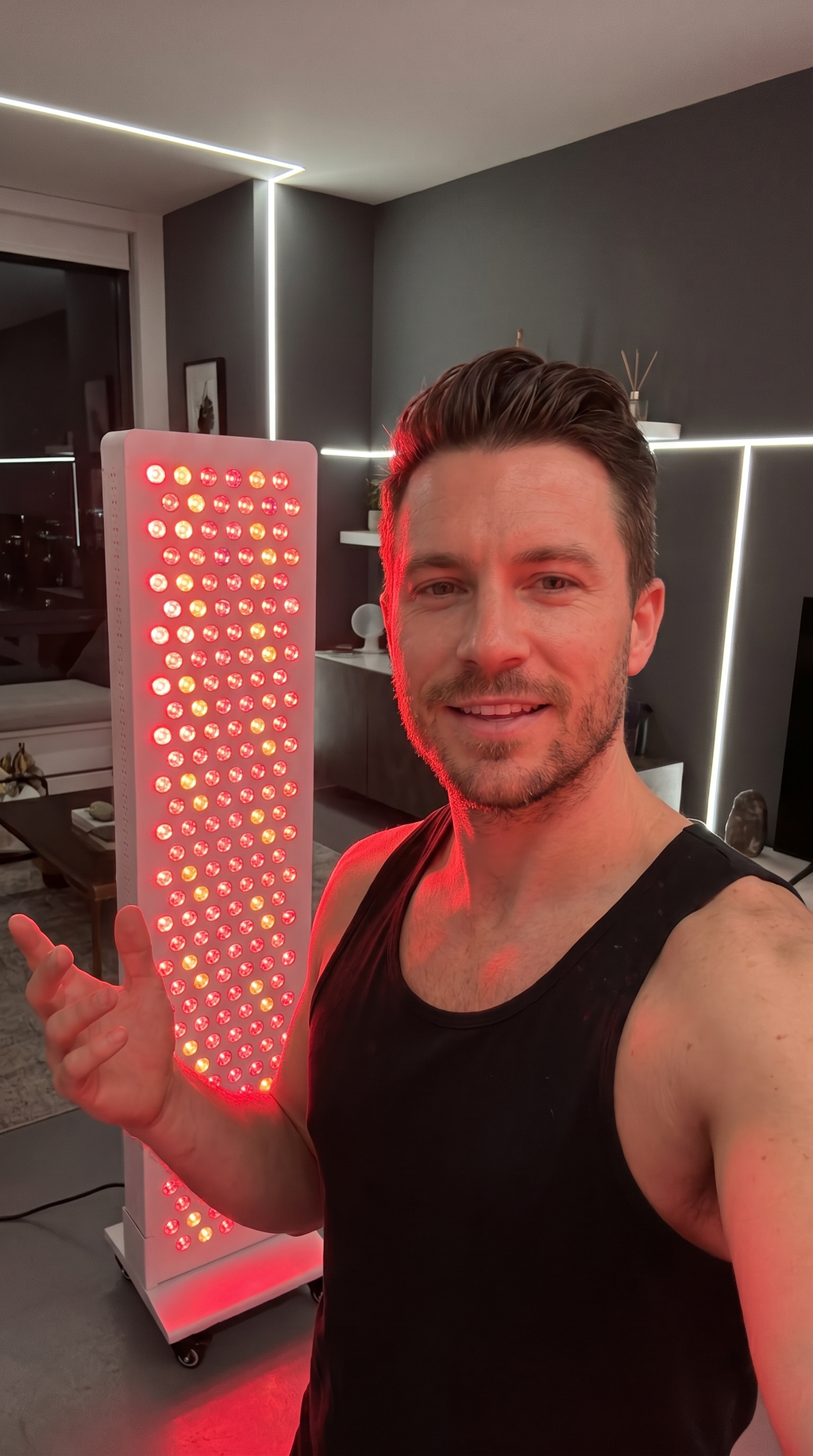
The CLV-XT1500 is no joke. Moving it around is a bit of a workout. But once it's positioned I leave it there. The coverage is unreal — standing in front of it feels like standing in warm sunlight.
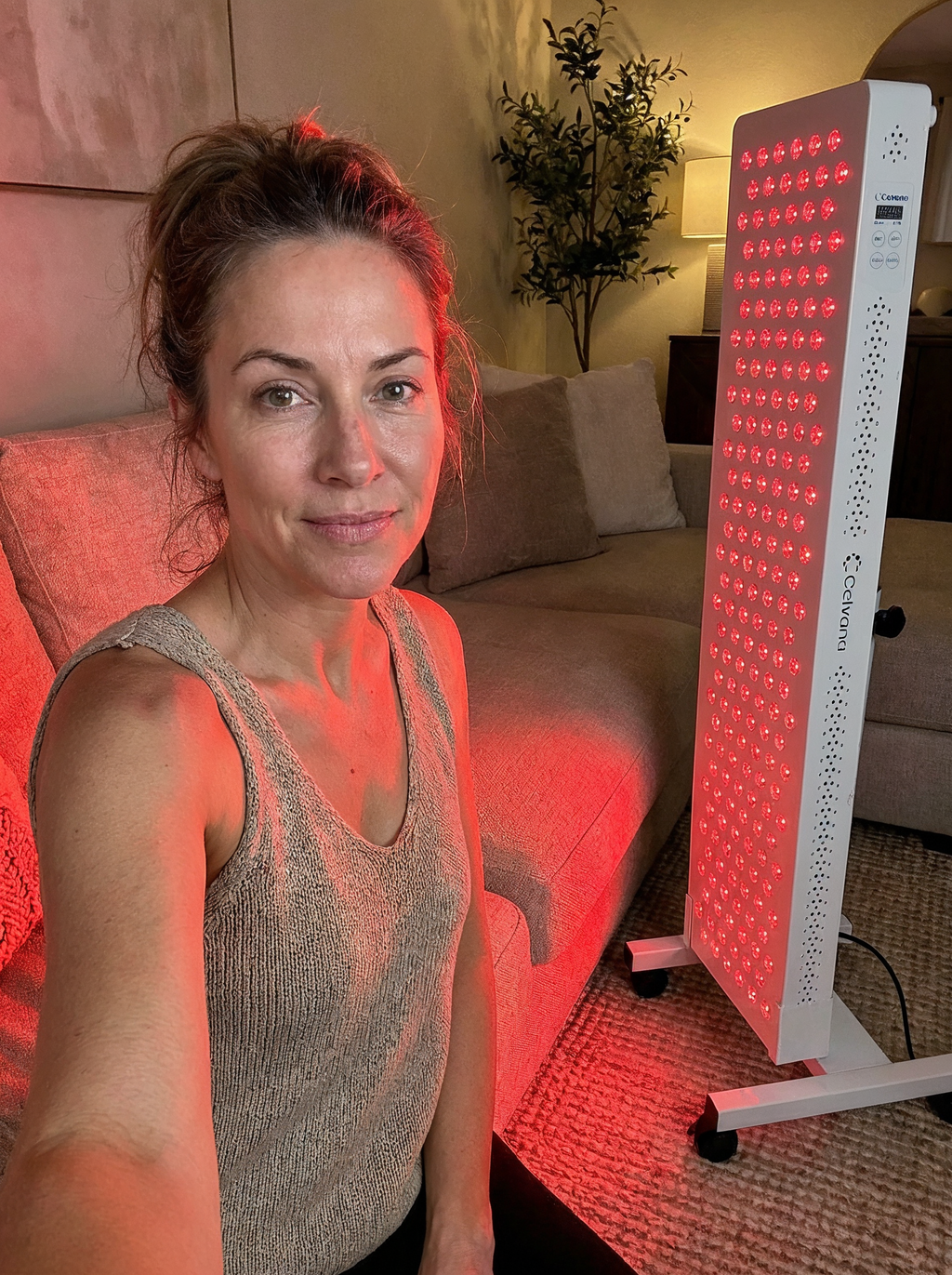
I used to pay $80 a session at a wellness spa for red light therapy. The XT1500 paid for itself in under two months. Having 308 dual LEDs covering my entire body at once means I get a true clinical-grade session without leaving the house.
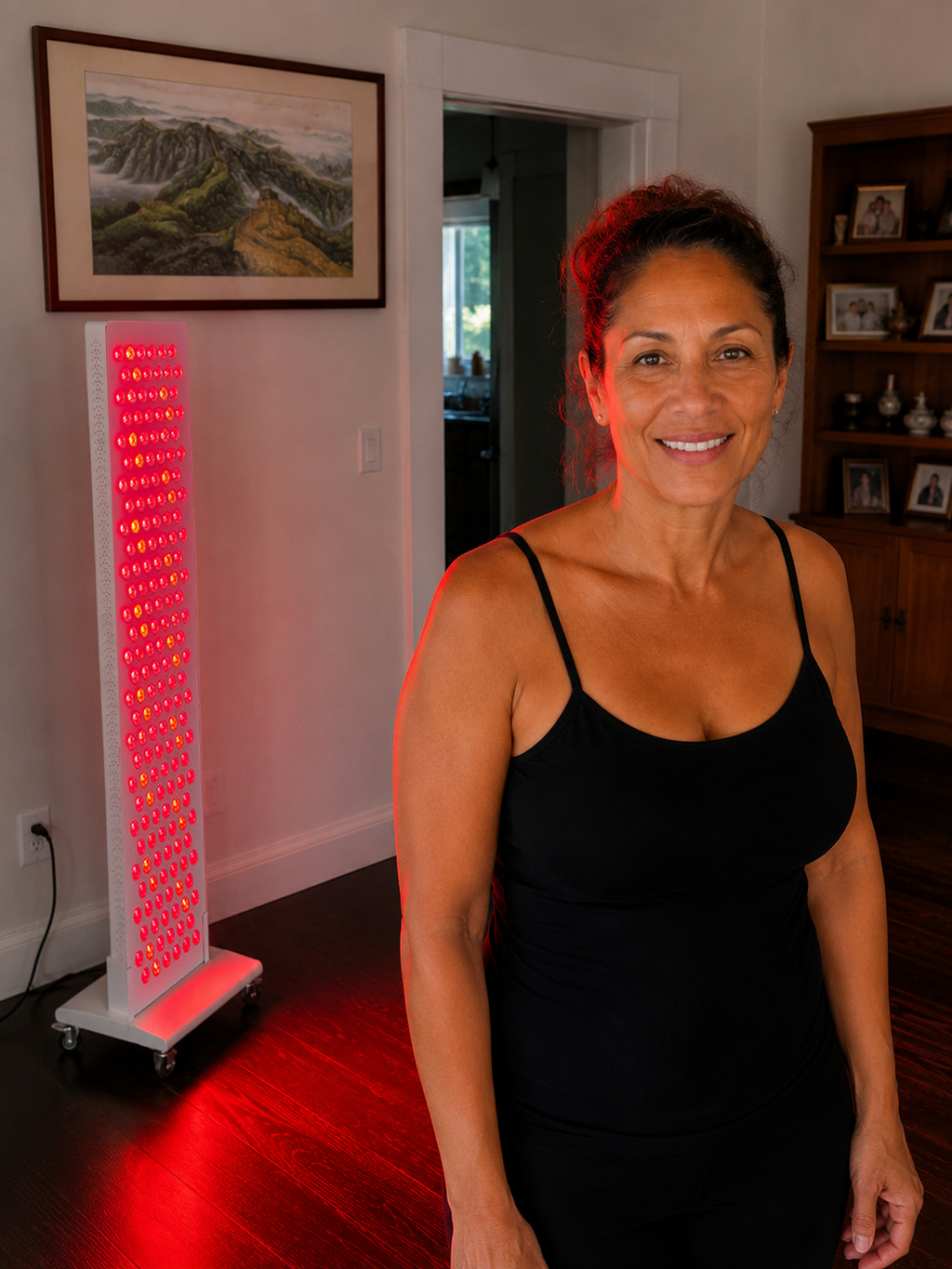
Good panel
Great panel and arrived quickly. Company helped me with all my questions and using the product
Delivered quickly and works perfectly. Using red and nir modes together most days 👍
Tried this for reducing my scarring and after 6 weeks and 5 sessions per week I see a noticeable improvement in skin quality with scars almost disappeared. Overall very pleased
Great experience and high quality panel 👌
Arrived quickly! seems great after a week
I primarily purchased this to use for my sleep quality and have noticed deeper sleep and more energy during the days now, it's been roughly 3 weeks 👍
Good experience and works well
Got the CLV-XT900 for my knees specifically. I run marathons and knee soreness is always an issue during peak training. After 3 weeks of consistent use, the difference is real. I'm not saying it's a miracle but it genuinely helps.
OK so I bought this on a whim and now I'm that person who talks about red light therapy to everyone lol. Skin looks better, sleep is better, and my shoulder injury has been responding really well. The CLV-XT1500 is big but worth every inch.
For $599 this CLV-XT900 is a solid purchase. The irradiance is strong you can actually feel the warmth on your skin. My only gripe is the stand could be sturdier. But the light output itself? Top tier.
I've been into performance optimization for years like cold plunges, HRV tracking, sleep protocols. The XT1500 fits seamlessly into a pre-sleep routine. The 11.8" full-body form factor means I actually use it consistently, and the results in recovery and mood have been undeniable
I was expecting faster results honestly. It took about 6 weeks before I noticed anything significant in terms of muscle soreness. It does work but be patient. The CLV-XT900 panel itself is well built.
I specifically wanted something for my shoulder and lower back rather than full body. The CLV-XT900 hits exactly where I need it. Smaller footprint too which matters since I live in a studio apartment.
I did a lot of research before buying, read multiple PubMed studies on photobiomodulation. The wavelengths on this CLV-XT1500 panel align with what's clinically studied. It's rare to find a consumer product that actually takes the science seriously.
Been using CLV-XT900 for 2 months. Sleep is noticeably better and my back discomfort feels more manageable. Docking one star only because I wish it came with a longer cable. Otherwise really happy.
My husband has chronic back pain, I use it for skin and mood, and even my teenager uses it for acne. The full body coverage of CLV-XT1500 means everyone can use it efficiently. Best wellness investment we've made as a family.
I was a skeptic. My wife bought this and I rolled my eyes. Six weeks later I started sneaking into the living room to use CLV-XT900 myself. My elbow tendinopathy is responding better than it has with anything else I've tried.
Mounted CLV-XT900 in my home gym next to the squat rack. Use it before every session to warm up and after to recover. My performance has noticeably improved over the past month. Love the compact size.
The CLV-XT1500 panel works fine but setup was straightforward and customer service was helpful when I had questions. The panel performance is strong and the light output feels excellent.
FAQs
Most $300 Amazon panels publish irradiance numbers from the manufacturer's spec sheet — figures that are typically inflated 2–3x above real-world output. They're sold by drop-shippers with no consistent supply chain, no certifications you can verify, and warranties that end at six months or less. Returns usually require buyer-paid shipping back to China.
Celvana publishes both a solar-meter reading and independent spectroradiometer results from LightLab International — the full report is a downloadable PDF. The panels are manufactured in an FDA-registered facility, ship from our Nevada warehouse, and come with a 90-day in-home trial and a three-year warranty. Same wavelengths, real numbers you can verify, real support.
Every product page shows two irradiance figures: a solar-meter reading (the same instrument class most brands quote) and, for the XT1500, independent spectroradiometer results from LightLab International. Solar meters read the full spectrum and report higher numbers; a spectroradiometer isolates the specific therapeutic wavelengths actually emitted. We show both so you can compare against any brand on either standard — and you can download the full LightLab report as a PDF.
View the full LightLab International report (PDF) →
Every unit is also irradiance-tested before shipment and must exceed a production-line minimum to ship. Most brands publish the best reading from one sample; we verify every panel.
And the wavelengths themselves — 630, 660, 810, 830, 850 nm — are verifiable with any photodiode spectrometer or even a cheap diffraction grating. Anyone can check.
Red and near-infrared light reach different tissue depths and serve different purposes. Celvana panels include the five wavelengths most studied in photobiomodulation research.
Red light
- 630 nm — penetrates roughly 1–2 mm. Studied in research on surface skin tone and clarity.
- 660 nm — penetrates 2–5 mm into the dermis. The most-researched wavelength for collagen and elastin production, studied in dermatology research on skin texture and fine lines.
Near-infrared light
- 810 nm — penetrates 20–30 mm. Studied for cellular energy production and cognitive support research.
- 830 nm — penetrates 30–40 mm. Studied for inflammation response and deeper tissue applications.
- 850 nm — penetrates 40–50 mm depending on tissue type. Studied in sports medicine research on muscle recovery and joint function.
Most panels include only red OR near-infrared, or two wavelengths total. Celvana panels run all five, on independent circuits — so you can target surface tissue, deeper tissue, or both at the same time.
Stand 6–12 inches from the panel. Sessions are typically 10-20 minutes per treatment area for red and combined modes. Daily use is safe and recommended with 1-2 rest days per week. Closer means a higher dose in less time; further covers more of your body per session — the 90-day trial gives you room to find what works for your routine.
Honest answer: it depends on what you're using it for.
Published research on skin (Wunsch & Matuschka, 2014) studied participants over 30 sessions across 10-15 weeks — that's the rough window where collagen-related changes show up in measurable studies.
Research on muscle recovery (Ferraresi et al., 2016) shows acute effects within a single session for some metrics, with cumulative effects across weeks of consistent use.
If you're using it daily for 10-20 minutes per session and don't notice anything within 90 days, return it.
Red and near-infrared light therapy has been studied for over four decades with an excellent safety profile across thousands of clinical trials. The wavelengths used are non-ionizing — they don't carry UV energy, don't damage DNA, and don't cause burns at the irradiance levels Celvana panels operate at.
Two safety practices to know:
- Don't look directly into the LEDs while the panel is on. This applies to all RLT panels. Eye exposure to high-intensity LED isn't dangerous but is uncomfortable.
- Consult your physician before use if you're pregnant, taking photosensitive medications, have a history of light-induced seizures, or have an active cancer diagnosis. This is standard precaution language across all RLT panels.
The panel itself is FCC-certified (Part 15 Subpart B), RoHS-verified, and manufactured in an FDA-registered facility.
Yes. Celvana panels can be purchased with your HSA or FSA funds through our payment partner, Flex.
Because red light therapy devices can be used for both general wellness and to support specific health conditions, the IRS requires a Letter of Medical Necessity (LMN) to use pre-tax HSA/FSA funds. Flex makes this simple: at checkout, select "Pay with HSA/FSA" and complete a short telehealth questionnaire — it takes about 30 seconds. If you qualify, Flex issues your Letter of Medical Necessity (valid for 12 months) and you pay directly with your HSA/FSA card.
There's no need to arrange anything with your own doctor beforehand, and no separate reimbursement paperwork to chase. Keep your itemized receipt and LMN on file, as your plan administrator may request them.
Yes. Pay over time with Shop Pay Installments at checkout — split your purchase into payments depending on the plan you qualify for, without paying everything upfront.
*Subject to approval
Red light therapy panels are 510(k)-exempt Class II medical devices. That means the FDA does not clear or approve them — the category is exempt from the FDA clearance pathway.
Any brand claiming to be "FDA Cleared" or "FDA Approved" on a red light therapy panel is either lying or describing a different product (some clinical-use lasers are FDA-cleared; consumer LED panels are not). We don't make the claim because the claim isn't legally available to make.
What is true: Celvana panels are manufactured in an FDA-registered facility, and FDA registration of the manufacturer is required for the product category. The panels meet the category's regulatory requirements without claiming clearance that doesn't exist.
90-day in-home trial. Use the panel for 90 days. If you're not satisfied for any reason, send it back for a full refund. No questions, no restocking fees, no result requirements.
Three-year warranty. Covers manufacturing defects and component failure under normal residential use. If your panel develops a fault, contact us with a description and photo or video evidence — we'll authorize the next steps from there.
Full warranty terms are published on our returns and warranty page